
New BBAU Study on Tuberculosis Research Reveals Patterns of Paper Retractions Amid Growing Scientific Integrity Concerns in India

Researchers from Babasaheb Bhimrao Ambedkar University (BBAU), Lucknow, Dr. Yusuf Akhtar of the Department of Biotechnology and Dr. Vineet Kumar of the Department of Library and Information Science, have conducted a comprehensive analysis of 150 retracted tuberculosis (TB)-related research papers published between 1993 and 2023. Their study has been published in the prestigious Springer Nature journal Archives of Microbiology. The researchers used leading scientific databases, including Retraction Watch, Scopus, PubMed, and Web of Science, to carry out what is considered the most systematic investigation to date into why, when, and how TB-related research papers are retracted and what happens to them afterward. For the first time, the study presents a complete three-decade overview of retracted TB research while highlighting the growing concerns surrounding scientific integrity in India. On this occasion, Vice-Chancellor Prof. Raj Kumar Mittal congratulated the research team and described the achievement as a matter of great pride for the University.
Tuberculosis claims nearly 1.5 million lives annually and remains the world’s deadliest infectious disease. India alone accounts for 26% of the global TB burden, making the integrity of research on TB diagnosis, treatment, and drug development not merely a scientific issue but a matter of national public health.
The study revealed a clear trend: very few TB-related papers were retracted between 1993 and 2009, but the number increased sharply after 2010, peaking in 2021 and 2022, with 22 retractions in each year. Although the overall proportion remains relatively small compared to the total number of publications, the trend is nevertheless alarming.
While explaining the findings, Dr. Yusuf Akhtar stated that although the number of retracted TB papers appears limited, their consequences can be significant. Faulty research can influence treatment guidelines, drug development, and public health policies. The study identified 60 different reasons behind the retraction of the 150 papers, with most articles involving two to four simultaneous causes. The most common reasons included unreliable results (32 cases), data irregularities (31 cases), and publisher/editorial investigations (29 cases). The analysis also uncovered widespread evidence of deliberate scientific misconduct, including paper mills (12 cases), fake peer review (10 cases), image duplication (17 cases), and failure to obtain ethical approval (11 cases). For the first time, the research team categorized the causes of retraction into three groups: intentional author misconduct, unintentional technical or typographical errors, and publisher or procedural failures. Dr. Akhtar further noted that one of the most surprising findings was that 85.3% of the 143 retracted papers with available citation data continued to be cited even after retraction. Even more remarkably, 43 papers that had never been cited before retraction began receiving citations only after being withdrawn.
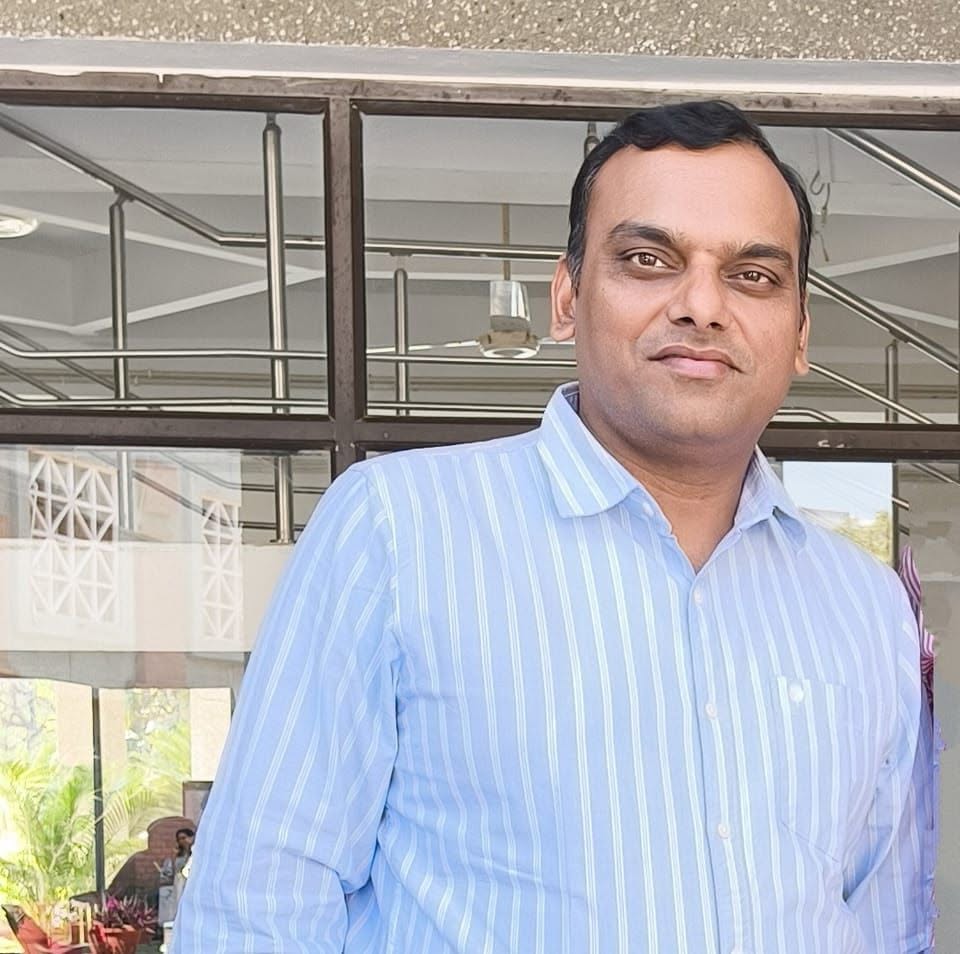
Discussing the implications, Dr. Vineet Kumar emphasized that the greatest danger lies in the fact that retracted papers do not simply disappear from scientific literature. Instead, the incorrect information they contain can continue influencing research, clinical practice, and policymaking for years. The study also found that retracted TB papers appeared across journals of every category, including those published by major publishers such as Hindawi, Elsevier, Springer, and Taylor & Francis. PLOS ONE recorded the highest number of retracted TB papers, with nine retractions, demonstrating that even highly reputed journals are not immune to scientific misconduct. He said that Country-wise analysis showed that China recorded the highest number of retracted TB papers (64), followed by India (22), the United States (12), Iran (11), and Pakistan and the United Kingdom (9 each). The researchers clarified that countries producing larger volumes of scientific research naturally tend to report higher numbers of retractions.
The study comes at a time when scientific integrity in India is under increasing scrutiny. According to the Retraction Watch database, India recorded 887 retracted research papers in 2025, the second-highest figure globally after China (1,701). It was followed by Iraq (429), Russia (363), Saudi Arabia (343), and the United States (277).
What is particularly concerning is that although India contributes only about 5% of the world’s scientific publications, it accounts for nearly 21% of global research retractions. The authors suggest that one contributing factor has been the National Institutional Ranking Framework (NIRF), which has historically emphasized publication counts and citations, thereby encouraging quantity over quality. They also note that India spends only 0.65% of its GDP on research and development, compared with the global average of approximately 2.46%.
Recognizing the seriousness of the issue, the Government of India has introduced several reforms. NIRF rankings now deduct marks for retracted publications. The Anusandhan National Research Foundation (ANRF) has made it mandatory for researchers applying for grants to disclose any retracted papers from the previous five years. In addition, platforms such as INFLIBNET and IRINS are integrating retraction information into researchers’ profiles.
The authors conclude that transparency forms the foundation of trust in science, but policy changes alone will not be sufficient. They advocate for a broader cultural transformation that includes stronger training in research ethics for young scientists, improved methods of evaluating research quality, and greater institutional accountability when concerns about integrity arise.
The researchers recommend several reforms, including mandatory public deposition of research data as a condition for publication, standardized and transparent retraction notices, formal recognition of community-led post-publication peer review, and the development of systems that automatically notify researchers whenever a paper they have cited is retracted.
The study also found an 80.3% agreement between discussions on PubPeer and official records maintained by Retraction Watch, highlighting the effectiveness of community-driven scientific oversight. Finally, the authors caution that with the rapid growth of artificial intelligence and computational research, inadequate laboratory validation could allow erroneous findings to spread even more rapidly.




 ---------------------------------------------------------------------------------------
 ----------------------------------------------------------------------------------------
 ---------------------------------------------------------------------------------------------
------
---------------------------------------------------------------------------------------------
---------------------------------------------------------------------------------------------------