
BBAU Research Team Identifies a Potential ‘Drug Pump’ in TB Bacteria, Offering Hope for a New Strategy Against Drug Resistance
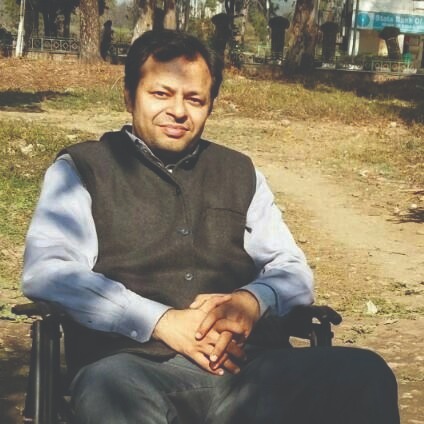
Lucknow: Dr. Yusuf Akhter, Prof. Dinesh Raj Modi with PhD student Deepti Dhusia Department of Biotechnology, Babasaheb Bhimrao Ambedkar University (BBAU), have identified molecular clues to how Mycobacterium tuberculosis (Mtb), the bacterium that causes tuberculosis (TB), may pump the first-line drug pyrazinamide (PZA) back out of its cells, a process called drug efflux that can contribute to drug resistance. The study, led by Dr. Yusuf Akhter and Prof. Dinesh Raj Modi with PhD student Deepti Dhusia, focuses on Rv0191, a bacterial transporter protein belonging to the Major Facilitator Superfamily (MFS), and has been published in PROTEINS: Structure, Function, and Bioinformatics (Wiley). TB remains one of the world’s leading infectious-disease killers, and rising drug resistance is undermining decades of treatment progress. One way Mtb survives antibiotic exposure is by reducing the amount of drug inside the cell, using efflux transporters that function like molecular pumps to move drugs back out. Understanding how transporters such as Rv0191 operate at the atomic level could reveal new points at which their action might be blocked, potentially making existing TB drugs more effective.
Using molecular docking and long-timescale molecular dynamics simulations, the team modeled Rv0191 not as a static structure but as a protein in motion, examining two functional states, outward-open and inward-open, to understand how it could shuttle PZA across the bacterial membrane. They found that changes in the protonation state of Glu37, a negatively charged residue within the transporter, appear to drive a shift from the outward-open state to an intermediate (“occluded”) state, a shape change essential to capturing and moving molecules through the protein’s internal channel. Across 500-nanosecond simulations run in triplicate, the researchers tracked PZA interacting with specific residues in the binding region before passing through a central tunnel, moving from the cytoplasmic side toward the periplasmic side of the bacterial membrane. Different regions of Rv0191, particularly certain loop regions, showed varying degrees of movement during the simulations, flexibility that appears to help regulate the opening and closing of the transport pathway. Taken together, the results suggest that efficient efflux may depend less on how tightly a drug binds to the transporter and more on how effectively the transporter can recognize, accommodate, and move the drug through its channel.
“We aimed to understand what happens at the molecular level when Rv0191 interacts with pyrazinamide,” said Deepti Dhusia, lead author of the study. “Understanding how the transporter changes its shape and moves the drug can help us identify potential points where its function could be blocked.” “This work helps us look at drug resistance from a different perspective,” added Dr. Yusuf Akhter, corresponding author. “The question is not only whether a drug binds to a protein, but also what happens after binding, how the protein changes its shape and whether it can efficiently transport the drug.”
These findings matter because drug-resistant TB remains a major and largely underappreciated public health burden in India and worldwide. Globally, multidrug- and rifampicin-resistant TB (MDR/RR-TB) caused an estimated 150,000 deaths in 2024, according to the WHO Global Tuberculosis Report 2025, and while the number of people newly developing MDR/RR-TB has been declining gradually since 2015, progress remains far short of the End TB Strategy’s targets. India carries the single largest share of this burden, accounting for an estimated 32% of all people who developed MDR/RR-TB globally in 2024, more than any other country, and only about 71% of patients who started treatment for drug-resistant TB in 2024 were successfully treated, underscoring how difficult MDR-TB remains to cure even with modern regimens. India’s overall TB mortality rate has fallen from 28 to 21 deaths per lakh (100,000) population between 2015 and 2024, and the country now accounts for roughly a quarter of TB deaths worldwide, a reflection of its overall TB burden (about 25% of global cases) as much as of resistance trends specifically. Newer all-oral regimens such as BPaLM have cut MDR-TB treatment duration from 18–24 months to about 6 months, but genetic mutations, altered drug targets, and, as this study explores, efflux-driven transport all continue to chip away at drug efficacy. Findings like those from the BBAU team matter precisely because of this gap between treatment innovation and real-world outcomes: if transporters such as Rv0191 are actively removing PZA from bacterial cells, blocking that pump, rather than replacing the drug, could help more of the existing antibiotic stay where it’s needed.
The authors describe their computational findings as a mechanistic framework and hypothesis-generator rather than a final answer. “By identifying the molecular features involved in this transport process, we hope this work can provide a starting point for future experimental studies and the development of molecules capable of interfering with efflux,” the team said. “Every step toward understanding how the bacterium survives treatment brings us closer to finding ways to stop it. Our study provides a detailed molecular picture that can now be explored further through experimental research.” The study adds to a growing body of research probing the molecular basis of antimicrobial resistance, and illustrates how computational biology can complement and help direct conventional experimental work by revealing sequences of molecular events that are difficult to capture in the lab alone. Vice Chancellor, Prof R K Mittal and Dean of School, Prof Sangeeta Saxena, have congratulated the research team, appreciated their efforts and given motivation to continue such useful research in future.







 ---------------------------------------------------------------------------------------
 ----------------------------------------------------------------------------------------
 ---------------------------------------------------------------------------------------------
------
---------------------------------------------------------------------------------------------
---------------------------------------------------------------------------------------------------